
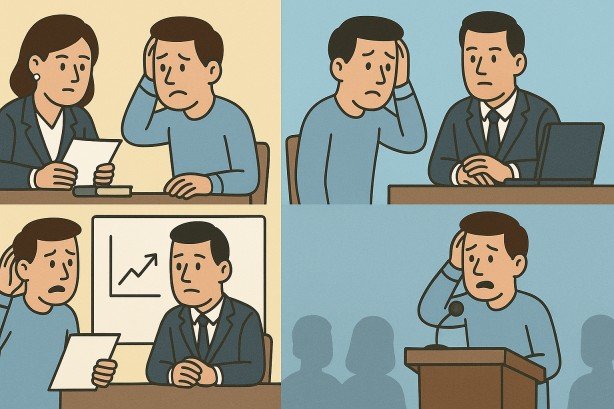
Yes Stammering is considered a disability in most of the countries like :
- UK (Equality Act 2010)
- US (Americans with Disabilities Act (ADA))
- India (Rights of Persons with Disabilities (RPWD) Act, 2016)
but it depends on the context and severity of the condition. In India stammering is not explicitly listed as a disability, but in severe cases, it may fall under the category of “speech and language disabilities”. People with severe stammering can seek accommodations in education and employment, but There is no straight forward guidelines of implementation and it’s often assessed on a case-by-case basis. In almost every case, it is difficult to accurately determine the severity of stammering and to check whether a person is genuinely affected or might be pretending. Even in genuine cases, the person may not always show noticeable same level stammering during an examination or interview as fluency can vary greatly depending on the situation, stress levels and the listener.
In simple words, most people who stammer may not actually stammer when they say “I have a stammering issue,” but they often do stammer when saying their own name in an interview, It’s a paradox.
What’s my take on this?
I don’t consider stammering a disability.
Yes, Stammering can certainly create challenges in academics, job opportunities, and daily communication. However, calling it a ‘disability’ may not be the most accurate perspective. It does not impact a person’s intelligence, creativity, or ability to contribute meaningfully to society.
If you start expecting benefits, aid, or special support, it may actually hold you back psychologically and emotionally. Instead, the better approach is to actively work on managing and improving your speech.
I can identify only two important phases of life where stammering can create significant challenges :
- Education Journey
- Getting Job
1 : Education Journey:
Except in academics, I don’t see any need for adjustments, special aids, or support for a person who stammers. Even in academics, it should not involve direct benefits such as admission advantages, grade concessions, or exemptions. Instead, providing alternatives to oral examinations or adopting a slightly different approach to evaluating a candidate’s performance and understanding would be more appropriate.
If your stammering is severe, you can consult your school or college management to explore possible adjustments, but don’t rely entirely on alternative aids or accommodations. Focus on improving your speech as well. The key difference is that in your career or any other milestone, you have a choice/time, but in education journey, you may not.
2 : Getting Job :
Communication is very important in almost every role, whether you are a corporate employee or running your own business.
If you stammer and expect benefits or support in your career without working on it, you may struggle to overcome it throughout your life. Choosing a Career that truly suits you is completely in your hands and today, it’s also entirely possible to manage your stammering to a level. Just needs some time and efforts. Yes, things may be difficult, but everyone faces challenges in their own way.
Please explore our 3 Step Solution designed to help you overcome stammering and Stammering Life Guide, where we explain how to choose the best career for yourself, how to strategically prepare for the interview process, and how to manage workplace challenges effectively. Same applicable if you are doing any business as well.
Don’t expect special benefits or aid but at the same time, don’t compromise on your personal interests, earning potential or career choices just because of your stammering.
No company can reject your candidature solely because of stammering, and Yes, there are laws to protect against such discrimination but implementation is very tricky. It is often more rewarding to invest that time and energy into improving your speech and communication skills. By taking this approach, you will progress further in your career journey rather than expecting adjustments at every stage.: That’s the best approach.
Apart from these two phases, life is full of milestones – such as job interviews, career journey, workplace challenges, family and social circles, leadership roles, parenthood, and everyday situations. In our Stammering Life Guide, you will find strategies to navigate each of these milestones with confidence.
Our 3-Step Solution is a neuroscience-based speech realignment program, and the Life Guide builds on top of that – showing you how to further optimize your life by leveraging your strengths. Explore below.



 You can report directly via our Contact Form or email us at below emails.